Teen Skincare: A Simple Guide for Tweens & Teens
“Mom, I have a zit.”
For some kids, those four words can feel like a much bigger deal than they sound.
Puberty brings a lot of changes. Hair starts growing in new places. Bodies begin to change shape. Sweat and body odor can become a new thing to figure out. And then, almost as if puberty hasn't already given kids enough to think about, their skin can suddenly change too.
Blackheads. Oily foreheads. Dry patches. Pimples that seem to show up overnight.
For some kids, it can be frustrating. For others, it can really affect how they feel about themselves.
And with social media full of elaborate skincare routines, shelves of colorful products, and influencers telling kids they need another serum, toner, mask, or treatment, it's easy for tweens and teens to think skincare has to be complicated.
It doesn't.
In fact, when it comes to young skin, simple is often a really good place to start.
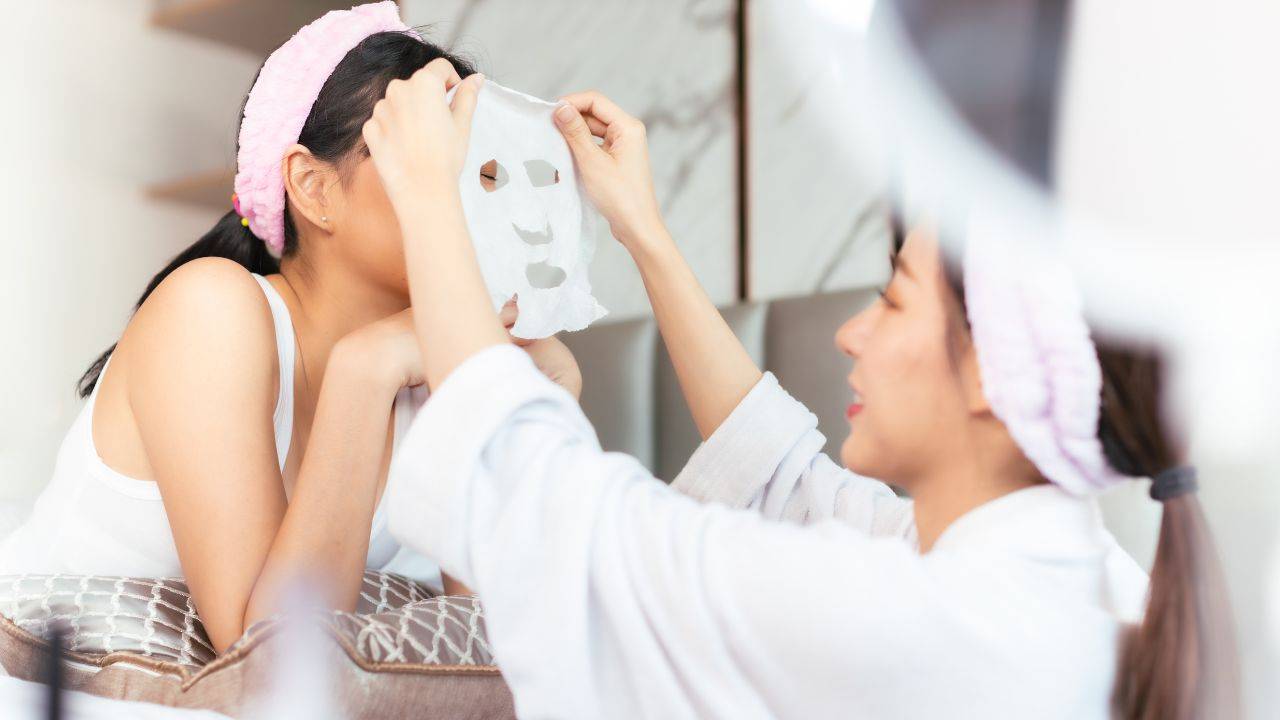
Your Tween Doesn't Need a 10-Step Skincare Routine
There is a lot of pressure these days for k...
How to Talk to Your Teen About Acne
“Have you been washing your face?”
It seems like a harmless question.
You notice your child's skin is breaking out, you know they're frustrated, and your first instinct is to help. Maybe you start looking for acne products. Maybe you suggest washing their face more often. Maybe you even start researching dermatologists.
You're trying to help.
But here's the tricky part: the way we talk about acne can sometimes make our kids feel worse about it.
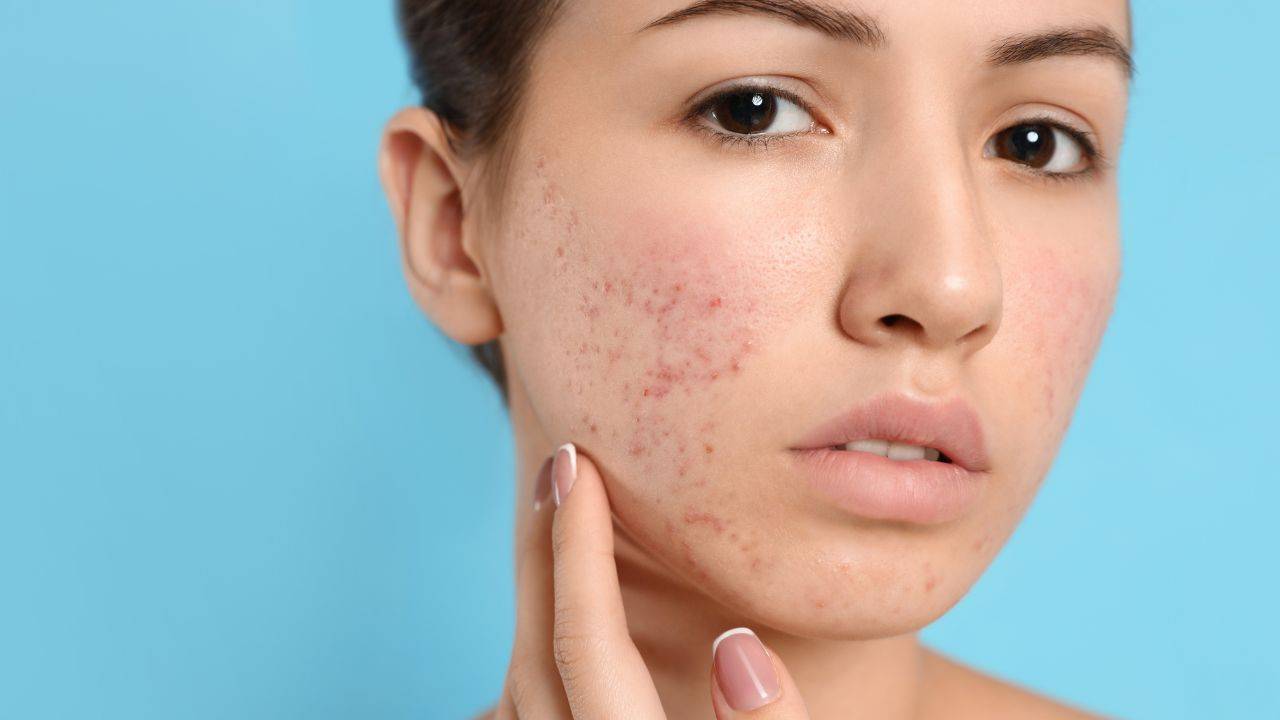
For a teenager, acne isn't just a few spots on their face. It can feel like the first thing everyone notices about them. They may worry about pictures, school, dating, sports, parties, or simply looking in the mirror.
And while acne is a very normal part of puberty, that doesn't mean it feels normal to the teenager experiencing it.
So how can parents help without making their child feel like their skin is a problem that needs to be fixed?
First, Remember: Acne Isn't a Hygiene Problem
One of the easiest mistakes parents can make is as...