How to Talk to Your Teen About Acne
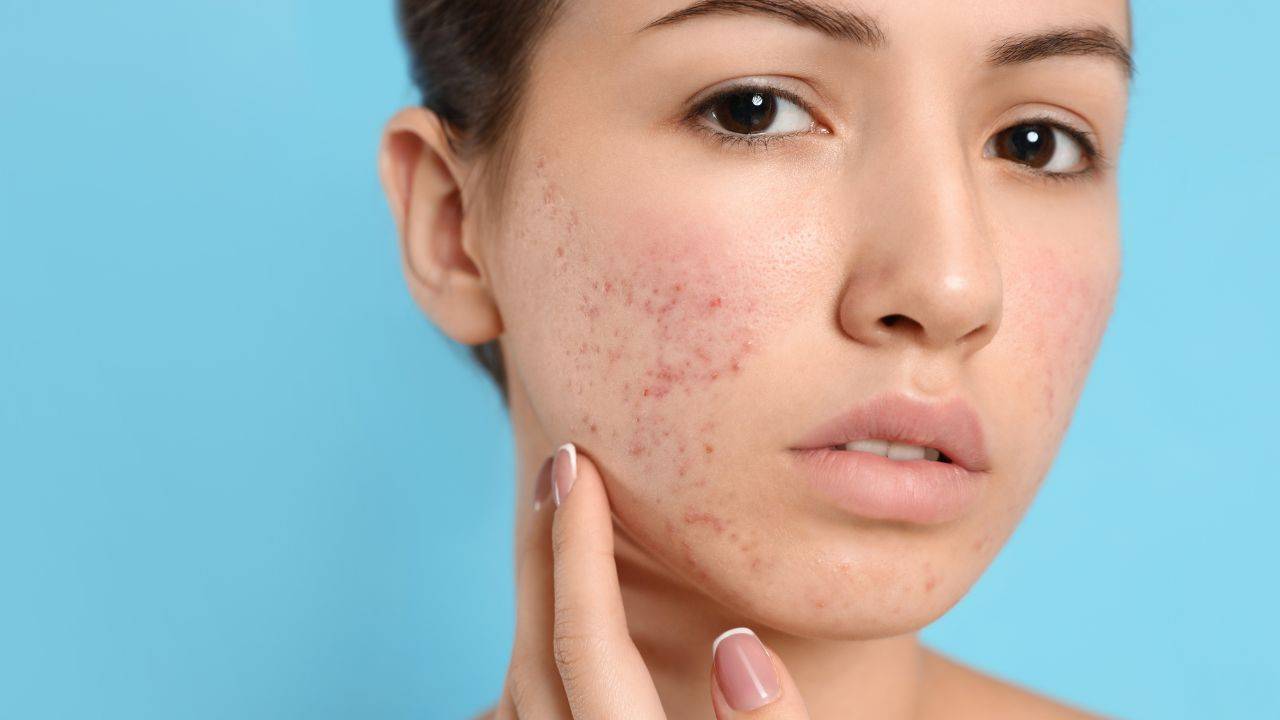
“Have you been washing your face?”
It seems like a harmless question.
You notice your child's skin is breaking out, you know they're frustrated, and your first instinct is to help. Maybe you start looking for acne products. Maybe you suggest washing their face more often. Maybe you even start researching dermatologists.
You're trying to help.
But here's the tricky part: the way we talk about acne can sometimes make our kids feel worse about it.
For a teenager, acne isn't just a few spots on their face. It can feel like the first thing everyone notices about them. They may worry about pictures, school, dating, sports, parties, or simply looking in the mirror.
And while acne is a very normal part of puberty, that doesn't mean it feels normal to the teenager experiencing it.
So how can parents help without making their child feel like their skin is a problem that needs to be fixed?
First, Remember: Acne Isn't a Hygiene Problem
One of the easiest mistakes parents can make is assuming that acne means their child isn't washing their face enough.
Acne is much more complicated than that.
During puberty, hormonal changes can increase oil production in the skin. Oil, dead skin cells, and bacteria can contribute to clogged pores and inflammation, which can lead to breakouts.
So telling your child to “wash your face more” isn't necessarily going to solve the problem.
In fact, washing too often or scrubbing too aggressively can irritate the skin. If your child has acne, the message shouldn't be:
“You need to clean your face better.”
It can be:
“Your skin is changing because you're going through puberty. Let's figure out what might help.”
That small shift removes blame from the conversation.
Your Teen May Already Be Thinking About Their Skin All Day
Here's something worth remembering before you comment on a breakout:
Your child probably already knows it's there.
They've likely seen it in the mirror. They may have noticed it in a selfie. They may have wondered whether someone at school noticed it. They may already be trying to cover it with makeup, hair, hats, or anything else they can think of.
So when a parent says, “Wow, your acne is getting bad,” it may not feel like new information. It can feel like confirmation of something they've already been worrying about.
That's why it's worth pausing before making a comment about their skin.
Ask yourself:
Does my child need me to point this out, or do they need me to be a safe person to talk to about it?
Usually, it's the second one.
Some Well-Meaning Things Can Backfire
Parents are human. We say things because we're worried, and sometimes we don't realize how our words might land.
“Have you been washing your face?”
This can sound like you're suggesting their acne is their fault.
“It's not that bad.”
You're trying to reassure them, but they may hear, “Your feelings about this aren't important.”
“I had acne too, and I turned out fine.”
You may be trying to make them feel less alone. But sometimes they don't need your story yet. They need you to listen to theirs.
And then there's:
“Don't pick at it!”
Of course you don't want them picking. But saying it over and over probably isn't going to make the urge disappear.
Instead of focusing only on what they're doing wrong, help them find something that makes it easier not to pick. A pimple patch, for example, can create a physical barrier and give them something else to do besides touching the spot.
The goal isn't to win an argument about skincare. It's to help.
Start With Curiosity
If you think your child is struggling with acne, you don't necessarily need to begin with a solution.
Try beginning with a question.
“How are you feeling about your skin lately?”
Or:
“Has your skin been bothering you?”
Or even:
“If you ever want help with your skin, I'm here.”
And then give them room to answer. They might tell you everything.
They might say, “It's fine.”
They might roll their eyes and walk away.
All three are possible. If they don't want to talk, don't force it. You can simply say:
“That's okay. If you ever want to talk about it or want help finding something that works, just let me know.”
You've opened the door without pushing them through it.
Ask Before You Start Fixing
This can be especially difficult for parents who are natural problem-solvers.
Your child says, “I hate my acne.”
And immediately your brain goes:
I know a cleanser.
There's this cream.
Maybe we should see a dermatologist.
I saw something on Instagram.
Before you launch into solutions, try asking:
“Do you want me to just listen, or do you want help figuring out what to do?”
Sometimes they want advice. Sometimes they just want to complain about the enormous zit on their forehead.
Both are okay.
When they are ready for solutions, you can work through them together.
Keep Skincare Simple
If your child is interested in improving their skin, start with the basics.
As we discussed in our previous article, Teen Skincare: A Simple Guide for Tweens & Teens, most tweens and teens don't need a complicated 10-step skincare routine.
A gentle cleanser, moisturizer, and sunscreen are a good foundation. From there, specific skin concerns may require additional products.
The important thing is not to throw five new products at your child's face at once.
Introduce products gradually so you can tell what's helping and what's irritating their skin.
And remember: more products do not automatically mean better skin.
What About Acne Treatments?
There are many acne products available, and it can be overwhelming to know where to start.
Some products parents may come across include:
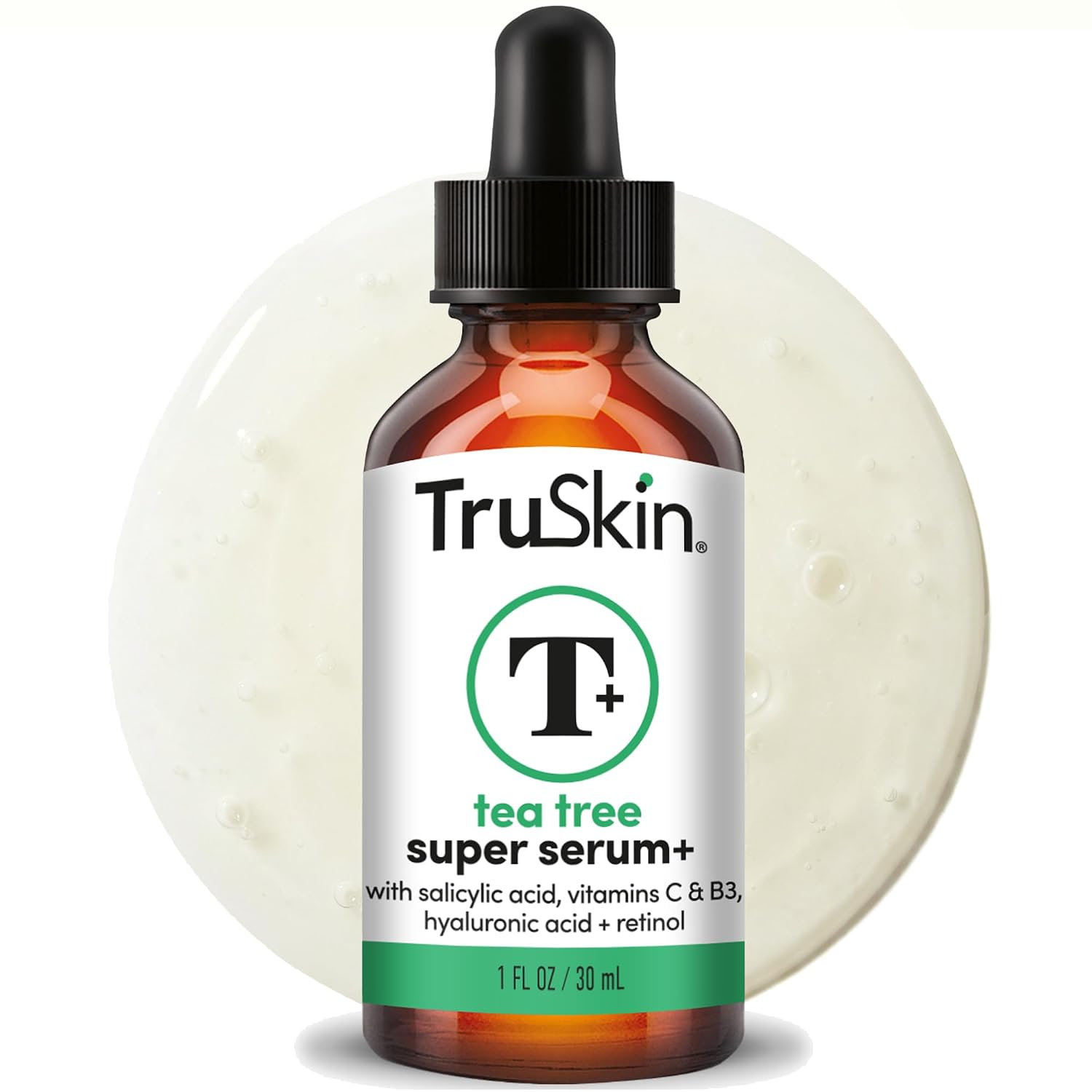
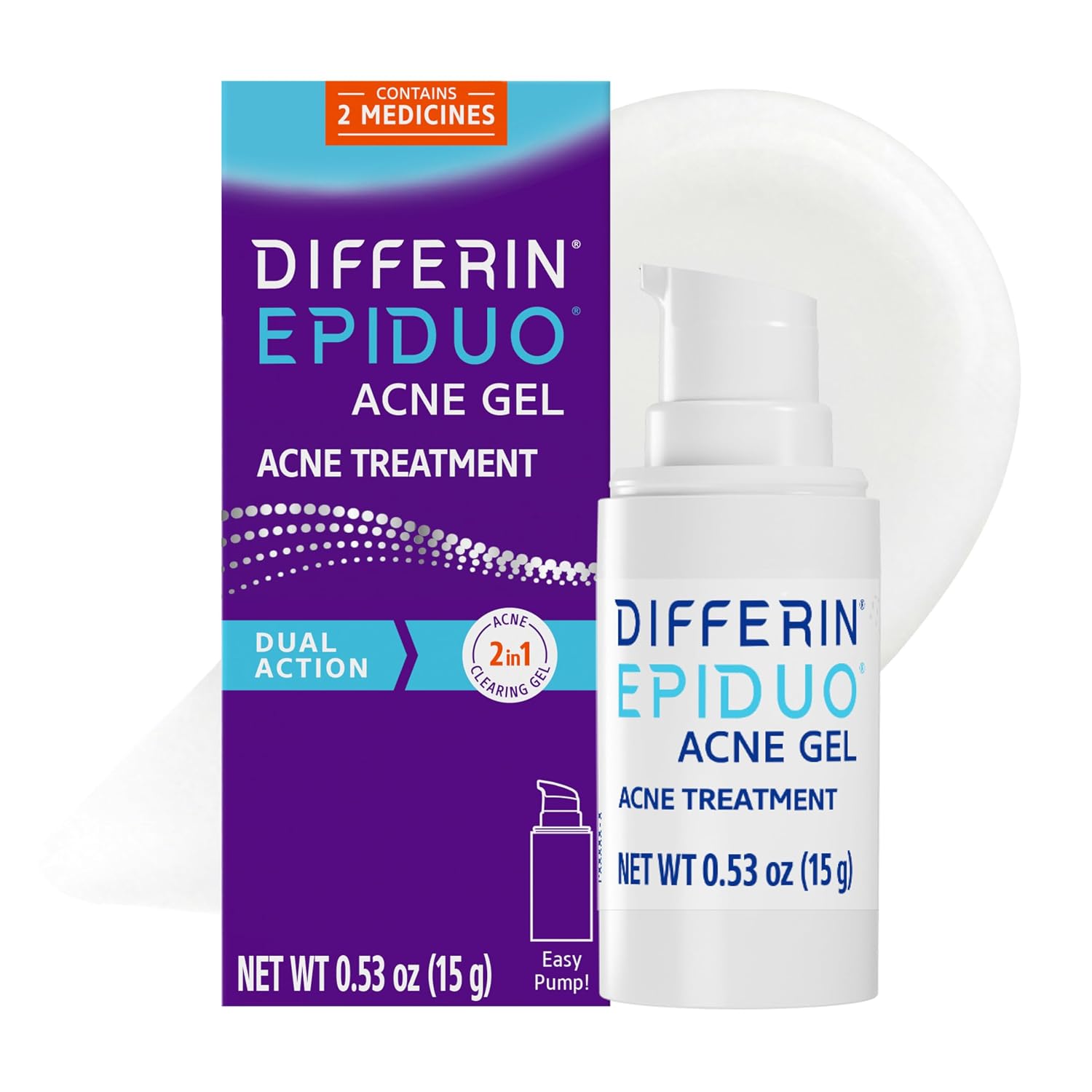
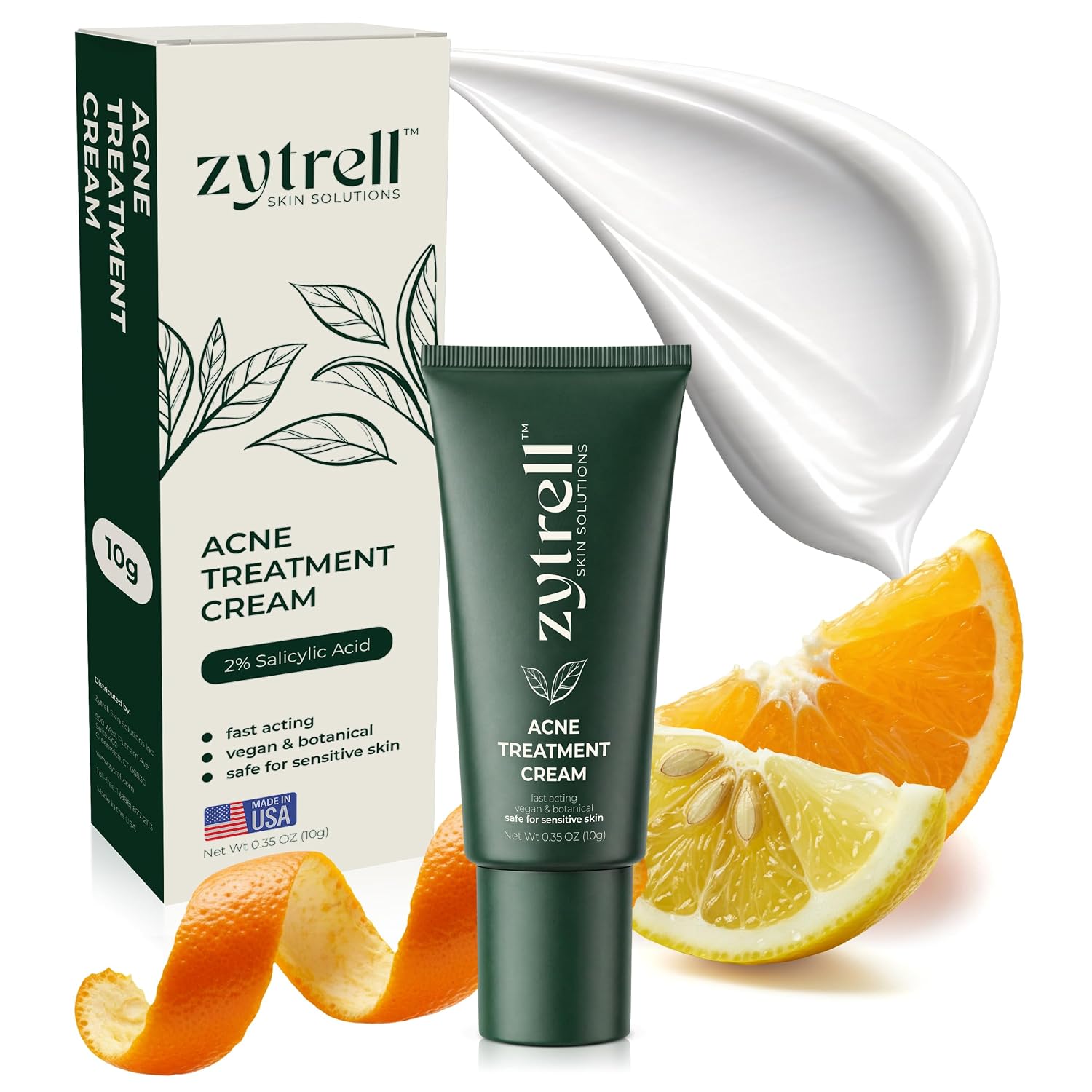
These products contain different ingredients and are intended for different acne concerns, so they shouldn't all simply be layered into one routine.
In particular, products containing active ingredients such as retinoids or salicylic acid can be irritating for some people when introduced too quickly or used incorrectly.
If you're unsure what your child needs—or their acne is more than occasional breakouts—talking with a dermatologist can save you from spending months trying random products.
The goal isn't to find the strongest product.
It's to find an approach that is appropriate for your child's skin.
And Please Don't Make “Clear Skin” the Goal of Their Worth
This is where the conversation becomes bigger than skincare.
We want our kids to learn how to take care of their bodies without believing that their bodies have to look a certain way to be worthy.
Your child can have acne and still be beautiful. They can have breakouts and still be confident.
They can have imperfect skin and still be loved, accepted, and worthy of respect.
So instead of:
“Your skin looks so much better!”
you might say:
“You seem much happier about your skin lately.”
There's a subtle difference. One puts the focus on appearance. The other puts the focus on how your child feels.
When Should You See a Doctor or Dermatologist?
Not every pimple requires a trip to the dermatologist. But there are times when professional help makes sense.Consider talking with your child's doctor or a dermatologist if their acne is painful, severe, persistent, leaving scars or dark marks, or isn't improving with a simple skincare routine.
It's also worth seeking help if acne is having a noticeable impact on your child's everyday life.
Are they avoiding friends?
Skipping activities?
Refusing to be photographed?
Spending a lot of time worrying about their appearance?
Feeling embarrassed or upset most of the time because of their skin?
Those things matter. You don't have to wait until acne becomes “severe enough” to ask for help. And seeing a dermatologist doesn't mean you've failed to handle it at home. Sometimes your child simply needs professional guidance.
What If Your Teen Doesn't Want Help?
This can be frustrating.
You've found a dermatologist. You've researched products. You're ready to help.
And your teenager says:
“Leave me alone.”
Take a breath. You don't have to solve everything in one conversation. Let them know the option is still there.
“Okay. I won't push. If you ever decide you want help, I'll help you find someone.”
Then give them some space. You can still make healthy skincare products available without monitoring every drop of cleanser they use.
And if they're having a regular checkup with their pediatrician or family doctor, you can mention the concern privately to the doctor so they are aware of it.
Sometimes teenagers are more comfortable talking to a healthcare professional than they are talking to Mom or Dad. That's okay, too.
If You've Already Said the Wrong Thing...
Maybe you've already said:
“Have you been washing your face?”
Maybe you've told them to stop picking. Maybe you've bought them five different acne products. Maybe you've said, “It's not that bad.”
Don't beat yourself up. You were probably trying to help. And you can always repair the conversation.
Try:
“I've been thinking about what I said about your skin. I don't want you to feel like I think there's something wrong with you. I know acne can be frustrating, and if you ever want help, I'm here. I'll follow your lead.”
That's enough. You don't need a perfect parenting speech.
Sometimes the most powerful thing we can do is simply acknowledge that we could have handled something differently.
Keep the Door Open
Acne may come and go throughout the teen years. Your child may care about it intensely one month and barely think about it the next. The conversation may need to change, too.
Instead of checking their face every morning, check in on how they're doing.
Instead of asking:
“Are you using your acne cream?”
try:
“How's your skin feeling lately?”
Instead of:
“You need to stop picking.”
try:
“Would it help if we found something that makes it easier to leave the spots alone?”
And instead of immediately offering a solution, sometimes simply say:
“I'm here if you need me.”
The Bigger Lesson
Acne is one of those puberty experiences that can seem small to an adult but feel enormous to a teenager.
We don't have to pretend it doesn't matter. And we don't have to tell our kids that their acne is beautiful or that they shouldn't care about it.
We can simply help them put it in perspective.
Your skin is changing.
You can take care of it.
You can ask for help.
You don't have to be ashamed of it.
And having acne doesn't change your worth.
That's the message we want our kids to carry with them. Because someday the acne may be gone. But the way they learned to think about their bodies—and the way they learned that their parents responded when they felt insecure—can stay with them for a very long time.