Is Social Media Hurting Your Teen’s Self-Esteem?
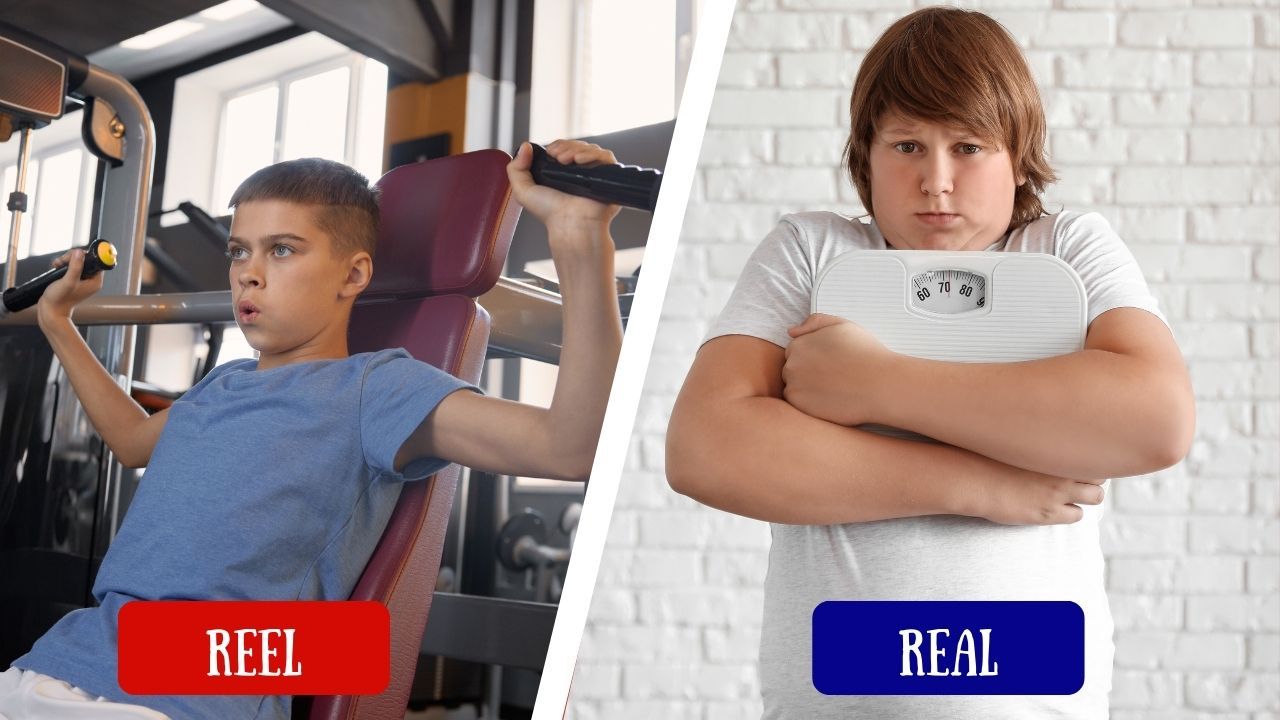
For many parents of teens and preteens, social media feels like a constant undercurrent in family life. Even when no one is actively scrolling, its influence is there — shaping how kids see themselves, how they measure success, and how they decide whether they’re “enough.”
It’s understandable that parents feel uneasy. You may notice your child scrutinizing their appearance more closely, tying their mood to online feedback, or comparing their everyday life to someone else’s highlight reel. The natural response is often to want to limit, block, or remove social media entirely.
But confidence in today’s world isn’t built by pretending social media doesn’t exist. It’s built by helping kids learn how to engage with it thoughtfully, understand its impact, and anchor their sense of worth in something deeper than likes or followers. That work happens through media literacy, values-based guidance, and ongoing, open conversations — not just deleting apps.
Why Comparison Culture Is Especially Powerful During Adolescence
Adolescence is a developmental stage defined by self-discovery. Teens and preteens are forming their identities, testing social roles, and trying to answer big questions about belonging and self-worth. Social media enters this already-vulnerable moment with constant visual feedback and social metrics.
Platforms are designed to amplify what gets attention: idealized bodies, curated lifestyles, and polished moments that rarely reflect real life. For a developing brain, it can be difficult to separate performance from reality. Over time, teens may begin to believe that visibility equals value, and that being admired online is a measure of personal success.
It’s important to recognize that comparison culture affects all teens, not just those focused on appearance. Some compare academic success, athletic ability, popularity, wealth, humor, or perceived maturity. Even teens who appear confident offline can feel inadequate online.
Understanding this helps parents shift from asking, “Why is this bothering my child so much?” to “How can I help my child make sense of what they’re being exposed to?”
Media Literacy as a Protective Skill, Not a Lecture
One of the most effective ways parents can support their children is by teaching media literacy — not as a one-time talk, but as an ongoing skill.
Media literacy helps teens slow down and question what they’re seeing. It invites curiosity rather than judgment. Instead of warning kids that social media is “fake,” parents can help them understand how and why content is created the way it is.
This includes conversations about algorithms, editing tools, sponsorships, and the pressure creators feel to present a certain image. While many teens intellectually know that photos are filtered or staged, that knowledge doesn’t always protect them emotionally. Parents can help bridge that gap by naming the emotional impact.
Saying something like, “Even when we know something is edited, it can still affect how we feel about ourselves,” validates your child’s experience and reduces shame. It also reframes the issue as a design problem, not a personal weakness.
When teens learn to analyze content rather than absorb it passively, they’re better equipped to resist internalizing harmful comparisons.
Grounding Self-Worth in Values, Not Visibility
Social media often emphasizes appearance, performance, and approval. Families can counterbalance this by consistently reinforcing values-based self-worth.
This doesn’t mean ignoring appearance or pretending it doesn’t matter. It means broadening the definition of what matters. Teens benefit from hearing that their worth is rooted in qualities that aren’t measured online — how they treat others, how they handle challenges, and how they show up in relationships.
Parents can support this by noticing and naming strengths unrelated to looks or popularity. Commenting on effort, empathy, honesty, creativity, or resilience helps teens internalize a more stable sense of identity.
Over time, these messages act as a buffer. When comparison culture tries to narrow their self-worth to a single image or moment, teens who are grounded in values have something sturdier to lean on.
Why App Bans Alone Rarely Solve the Problem
In some families, taking a break from social media or setting firm limits is necessary and healthy, especially when mental health is being affected. Boundaries matter. However, bans without conversation often miss the bigger picture.
When social media is removed without explanation or collaboration, teens may become more secretive or view it as forbidden territory rather than a tool to be managed. They also lose opportunities to practice decision-making with guidance.
A more effective approach centers on partnership. Parents can invite teens into discussions about how social media fits into their lives and what feels supportive versus stressful. Asking open-ended questions helps teens reflect instead of defend.
Conversations might explore what your child enjoys online, what feels draining, or how certain content affects their mood. These discussions build trust and reinforce the idea that social media use is something to be navigated thoughtfully, not dictated or ignored.
Talking About Comparison Without Turning It Into a Lecture
Comparison is a human instinct, not a moral failure. Teens benefit when parents normalize the feeling without normalizing the harm.
Sharing your own experiences can be powerful. When adults acknowledge that comparison doesn’t disappear with age, it helps teens feel less alone and less “weak” for struggling with it.
Rather than lecturing about confidence, parents can help teens build awareness. This might involve noticing emotional shifts after scrolling, recognizing which accounts leave them feeling worse, or understanding when it’s time to take a break.
These conversations don’t need to be heavy or dramatic. In fact, brief, consistent check-ins are often more effective than long talks. Over time, teens learn that they can bring these topics to you without fear of judgment or punishment.
Building Confidence That Can Withstand a Filtered World
True confidence isn’t about ignoring social media or mastering it perfectly. It’s about helping teens understand how external influences affect them and giving them tools to respond with intention.
Confidence grows when teens feel trusted, supported, and capable of thinking critically. It strengthens when parents model balance, curiosity, and self-compassion in their own digital lives.
Most importantly, it grows in relationships where teens feel safe talking about their doubts, insecurities, and experiences — even when those experiences are uncomfortable.
Social media will continue to evolve, and comparison culture isn’t going away anytime soon. But your role as a parent remains incredibly powerful.
By focusing on media literacy, reinforcing values-based self-worth, and keeping conversations open, you’re helping your teen build something far more lasting than online validation. You’re helping them develop a grounded sense of who they are — one that isn’t defined by filters, followers, or fleeting approval.
In a world that constantly asks teens to measure themselves against others, your steady presence reminds them that their worth was never meant to be measured that way.
Read next......
Why Shame Fails in Sex Education
A Parent's Guide for Setting Digital Boundaries for Your Kids
Body Image and Eating Disorders
Facing Judgment: Empowering Parents to Use a Sex Educator